

Most people run ads to make sales. Then they lose money and stop instead of learning as they go.
I published my first book, “The 7 Day Game Plan”, on Amazon in the beginning of last year. I thought it was good enough the be a best-seller, so I put my money where my mouth was and spent some cash to advertise the book.
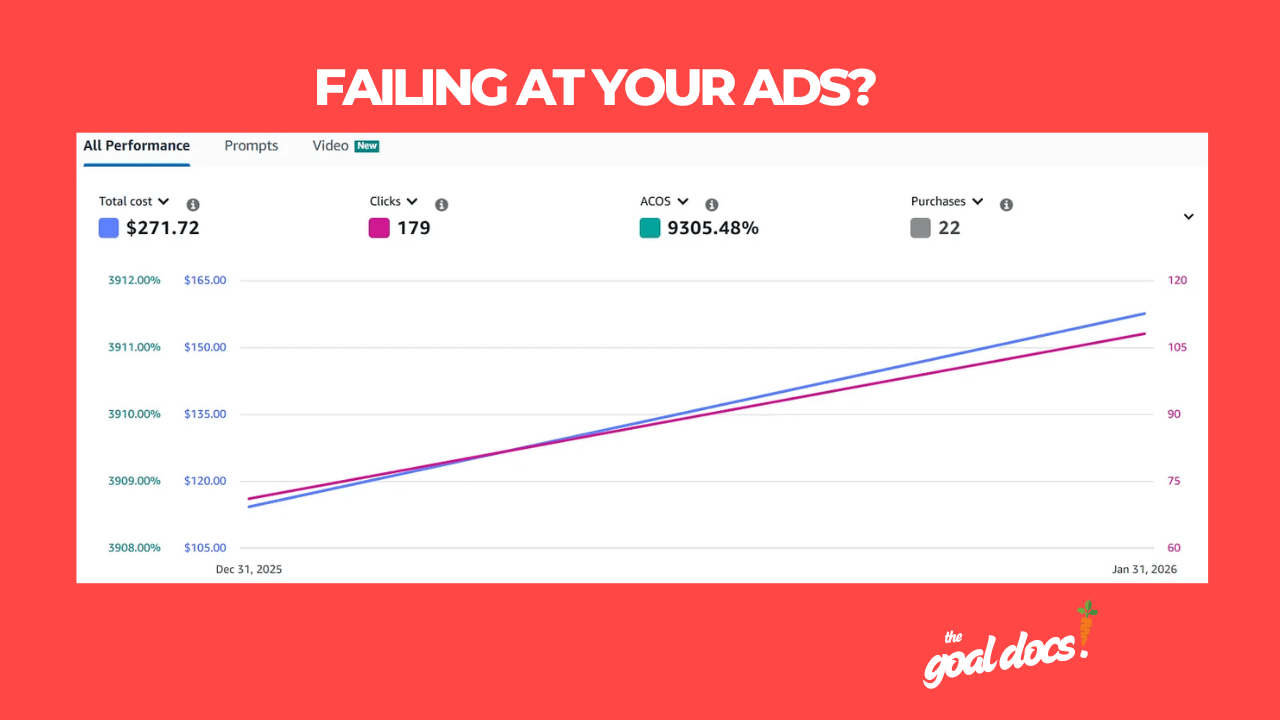
The result I expected was a lot of sales. Instead, I got a lot of lessons and just a few sales.
For the rest of this post, I'll share some of the lessons I paid for so you don't have to. You will see my exact Amazon and Facebook ad numbers. You will learn when to run ads, how to find the perfect keywords from a losing campaign, and why a free PDF works better than a paid link when nobody knows your name.
Lesson 1: Your first Amazon campaign is for finding keywords, not making sales.
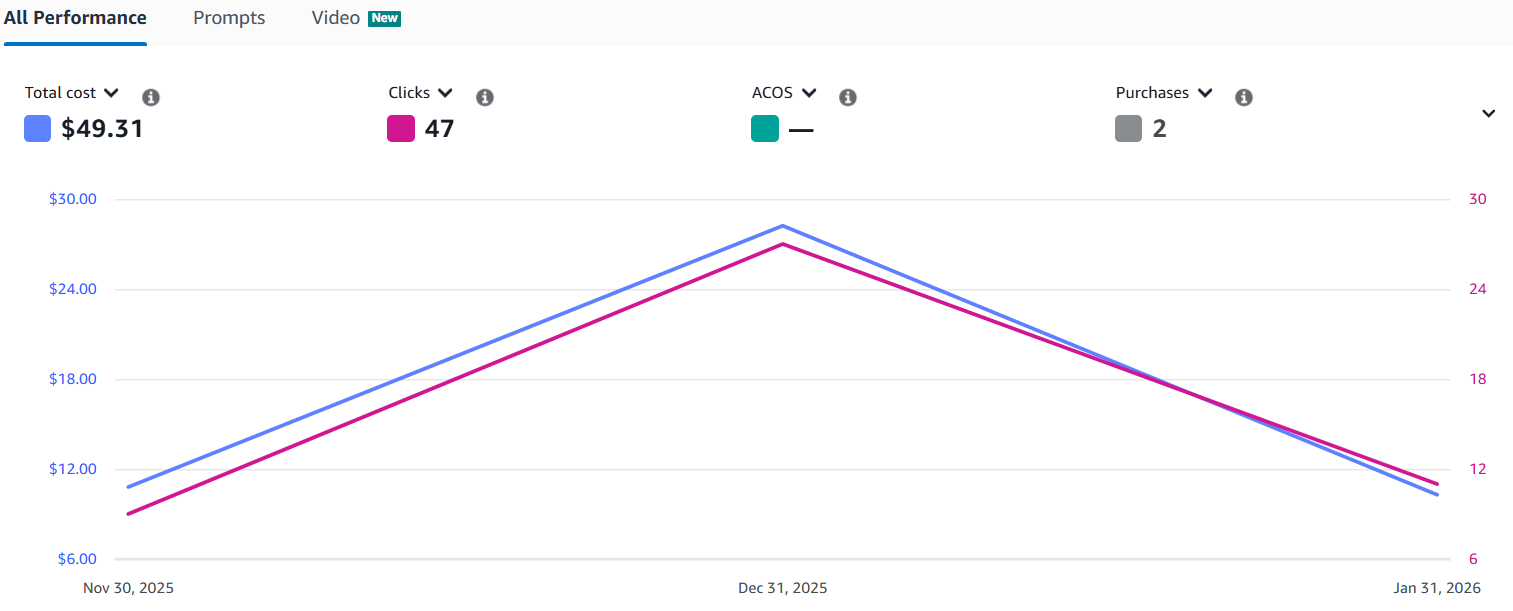
My first campaign on Amazon got 47 clicks, 2 purchases, and cost $49. That’s a bad return.
But the good news was that when the campaign finished, Amazon gave me a search term report.
That report showed me exactly what keywords people typed in when they clicked on my book. I also saw which other products Amazon’s algorithm linked to my audience. So I took those keywords and started a second campaign targeting them directly.
The Result: The second time around I got three paid sales and about 20 unpaid downloads during a free promo.
The Takeaway: For your first Amazon ad campaign, don’t aim to get sales. Instead, just spend $5-$10 for 7 days and aim to get the data that will show you who to target on your 2nd campaign. Then, when you’ve started a more strategic second campaign, aim to get sales.
Don’t miss our July offer. Unlock everything on our site for 40%, and get a free bonus when you do⬇️
Lesson 2: Only pay for Amazon ads during Kindle discount promotions.
All of my paid sales came from Kindle countdown deals. Countdown deals are a one-week promotion where your book is offered exclusively on Amazon either at a discount or for free, not the full price.
Why did the discounts work? Because on Amazon, I was a new author with one book and no reviews. Since people don’t know me or my brand yet, buying at full price presented a risk. But a discounted price lowers the risk of paying for a book that isn’t valuable. Plus, people are more willing to pay when they feel like they’ll get a great deal.
I ran my first ad campaign without the Kindle countdown deal, and I got zero sales. However, when I applied the countdown deal to my second ad campaign I finally got my first sale.
The Takeaway: For Amazon ads, I could avoid wasting money by running campaigns only when my book was on sale, not when it was at full price.
Lesson 3: Run two Facebook ads at five dollars a day for seven days, then scale the winner.
Now, let’s transition to what I learned from advertising my e-book on Facebook.
To create the ads, I started by making some 30 to 60 second videos related to the topics in the book. Then I posted the videos organically on YouTube Shorts and TikTok.
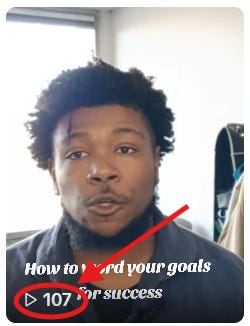
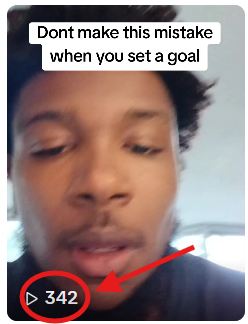
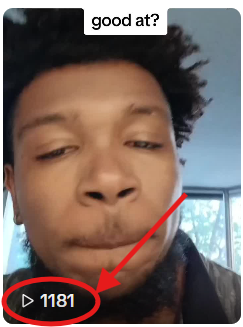
Of my 20 to 30 TikToks/Shorts related to the book, about 5 of them got significantly more views or engagement than the others. This doesn’t mean that the videos went viral at all, but they performed at least 2x or 3x better than my average video. All you need is something that performed better than your average.
Average views:
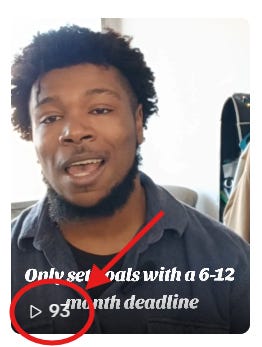
Better than average views:
Next, I took the videos that did well on TikTok/YouTube and reposted them on Facebook. But this time, instead of posting them organically, I posted them as paid ads that led people to the book. Here’s an example of one of the TikToks above that I turned into an ad.
My first mistake with the Facebook ads was putting all of my money behind the one video that got the most engagement organically. I thought that just because people loved the video, it had to lead to sales. And I bet everything on this.
Don’t be like me. Don’t bet on one video that you haven’t tested yet. Even a video that did well organically can flop when you put money behind it.
Once I realized this, I changed my strategy and ran multiple ads(each with one of my 5 best performing videos) to see which worked best. This went a lot better. For example, one of the ads got a 13.44% click through rate(industry standard is 1% to 2%). It cost $31 over 7 days, and I got 600 clicks and 447 landing page views. To get each click, I only paid $0.07.
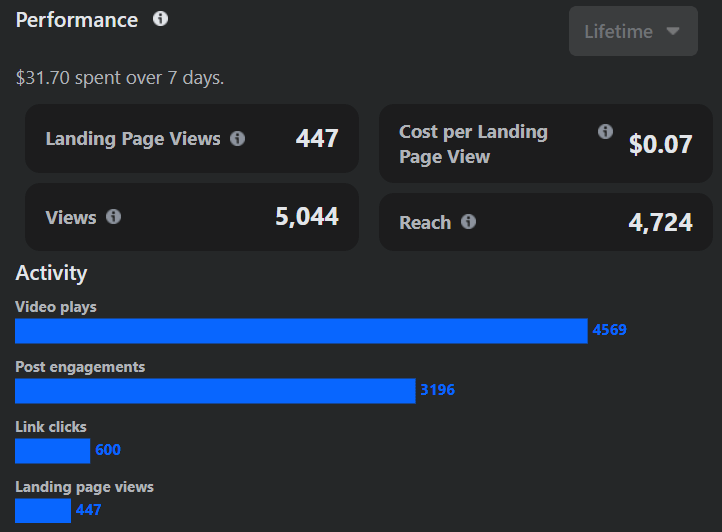
That was great attention for almost no money! So I doubled down on spending for that ad after the first 6 days.
The Takeaway: When I used the new approach to pick the best videos to put my money behind, I got better results with less stress and confusion. So when you post some videos organically and find the best performers, DON’T…
pick one
put all your money behind it
and hope for the best.
You’ll probably just waste your money. Instead, run two or three ads at $5/day each for one week. At the end of the week, review the performance. Then kill the losers, take the winner, and increase its daily budget.
Mini-lesson: Don’t set an end date on your ads. I made this mistake. I set an ad to run for seven days to see if it would perform well, and it did great!

So at the end of the seven days when the ad stopped, I went to restart it, or “Boost Again”. And since I knew the ad would perform well, I put almost twice the original amount of money behind it. But to my surprise, the ad didn’t perform great. It didn’t even do okay. It completely flopped and got less engagement than it did with the original smaller budget.

Why? The ad lost all the momentum when it stopped. And Facebook had to start over from zero with building up the momentum again.
So don’t give your ads a nearby “end date”. Instead, set your ad to run without one. Then, after seven days, manually come back and decide whether to stop it or not and adjust the budget. But don’t stop and restart the same ad because it might not perform as well the second time around, even if you increase your budget.
Mini-lesson: Add a call to action to organic videos you repost as an advertisement. I mentioned before that to create my Facebook ads, I would post videos organically on TikTok and YouTube Shorts. Then I’d take the best performing organic videos and repost them as advertisements.
The purpose of the organic posts was to see what would get the most engagement, not to sell the book. So I didn’t include any call-to-action in my TikToks and Shorts. But when I reposted some of those videos as ads, I needed them to include a message like “click below to learn more on setting goals” or “click here for the in-depth guide on setting goals”.
At first, I put a call-to-action at the end of my Facebook ad videos because it was the easiest place to insert a message. But as I reviewed more data from my ads, I realized that barely anyone watched past the first 15 seconds. And many of the people who viewed and clicked only watched for about 5 seconds. So no one was even seeing the call to action at the end of the videos because no one watches that far.
When I realized this, I stopped adding a call to action in my videos all together, and this didn’t cause any drop off in views or clicks. But going ahead, I will try editing the videos I use as ads to include a call to action in the first 3 to 5 seconds of the video where people will actually see it.
Lesson 4: If nobody knows your name, give away a free lead magnet first.
People clicked my Facebook ads. They even landed on my page and clicked. But they didn’t buy. I believe it’s because I am currently an unknown author. And if nobody knows who you are, they might not buy your product because they aren’t sure you can provide great results in exchange for their cash.
With this in mind, my biggest regret from the $800 in ads is that I didn’t ONLY offer and link to a free lead magnet instead of sending people directly to the book or the book’s landing page. Examples of a “free lead magnet” could have been:
a short PDF with only the first 3 chapters of the book
a short challenge I could take from the book
a checklist I could take from the book
here’s a PDF I made with the information from one chapter of the 7 Day Gameplan book
I was good at getting attention and clicks, but not conversions. So if the issue stopping people from buying was fear of risk, a solution is to only offer them free stuff upfront. Getting something for free is a lot less risky than paying for it.
In the future, my focus will be to create free lead magnets that would guide people to my paid book on Amazon. It’s like Texas Roadhouse advertising their rolls. If you go to the restaurant, you get the rolls for free. But to some people, the rolls and butter are so good it gets them in the door. And once they’re in the door, they will probably spend on a meal or at least an appetizer. So advertising free rolls would result in paid sales.
Mini-lesson: Show proof of the results you can provide in your ad or video… Another big reason people may avoid buying from an unknown brand or author is that they don’t have proof of results you’ve already gotten.
One thing that might have gotten the people who clicked on my ads to actually buy would be to show more proof of results my book leads to. The book didn’t have any reviews or testimonials online to serve as proof. So instead, I could have used general stats about the results of people who plan their goals versus people who don’t.
For example, I found online “researchers generally estimate that people with a structured plan are roughly 2-3x more likely to follow through than people who just ‘want’ the goal without a defined process. That doesn’t guarantee success, but it massively improves the odds”. I also saw that Tom Landry(first head coach of the Dallas Cowboys) said “setting a goal is not the main thing. It is deciding how you will go about achieving it and staying with that plan”.
The lesson is this: if people don’t have proof of results from me or my book yet, I can give them proof from someone more famous or credible than me like “researchers” or Tom Landry(who probably retired from coaching before I was even born).
Conclusion: I didn’t make a profit. I made a game plan.
I spent two $800 on ads between Amazon and Facebook, and I sold maybe $20 worth of books. But in the end, now I know exactly what to test for the next $800 I spend. For example, I learned to:
· Run Amazon ads only during discount promotions.
· Look for winning keywords from a losing campaign.
· Run 2 Facebook ads at five dollars a day for one week.
· Never set an end date on a test ad.
· Use a free PDF and a Facebook lead form to build trust.
· Always lead from free value to paid value inside the magnet.
Next time I launch a book or digital product, I won’t guess. I’ll spend a little, let the data tell me the best direction, and scale only what works.
Don’t miss our July offer. Unlock everything on our site for 40%, and get a free bonus when you do⬇️